3 Jun 2026
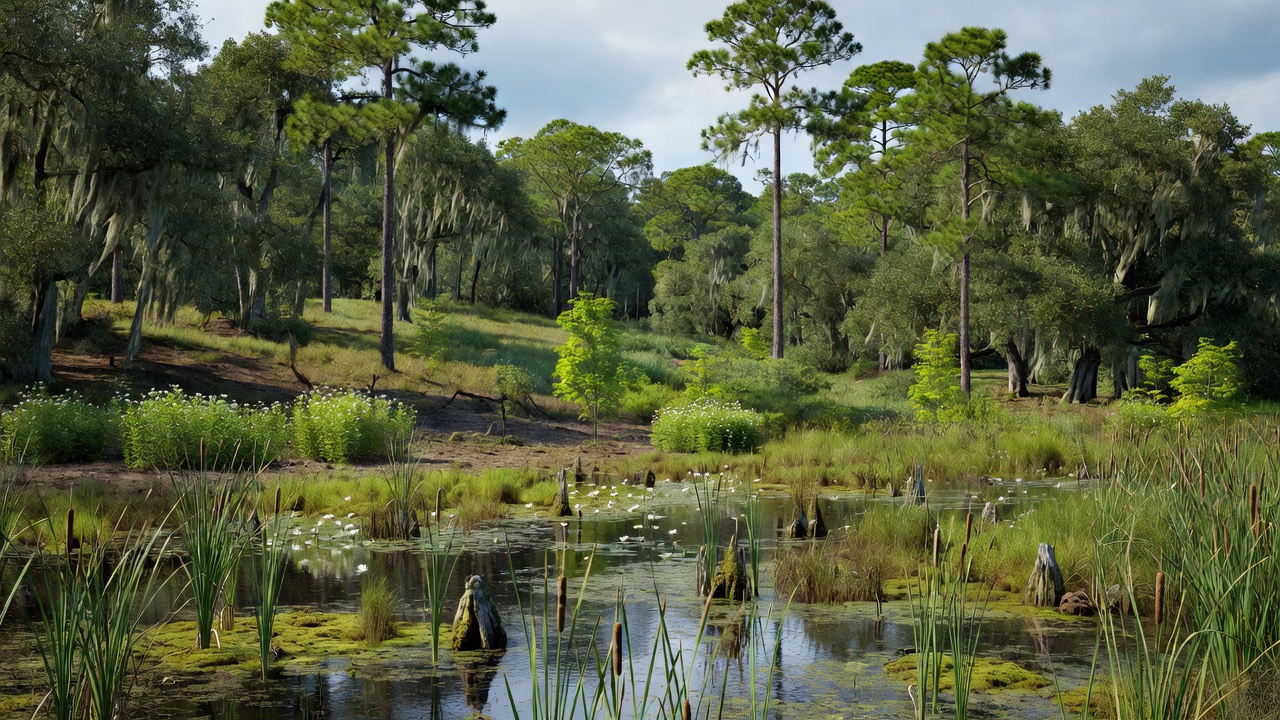
Gladespan forms a distinctive transitional landscape where wetlands meet forested uplands, creating conditions that support specialized plant and animal communities. Its location within broader drainage basins means water movement shapes both soil fertility and seasonal flooding patterns across the region.
Geographical Setting
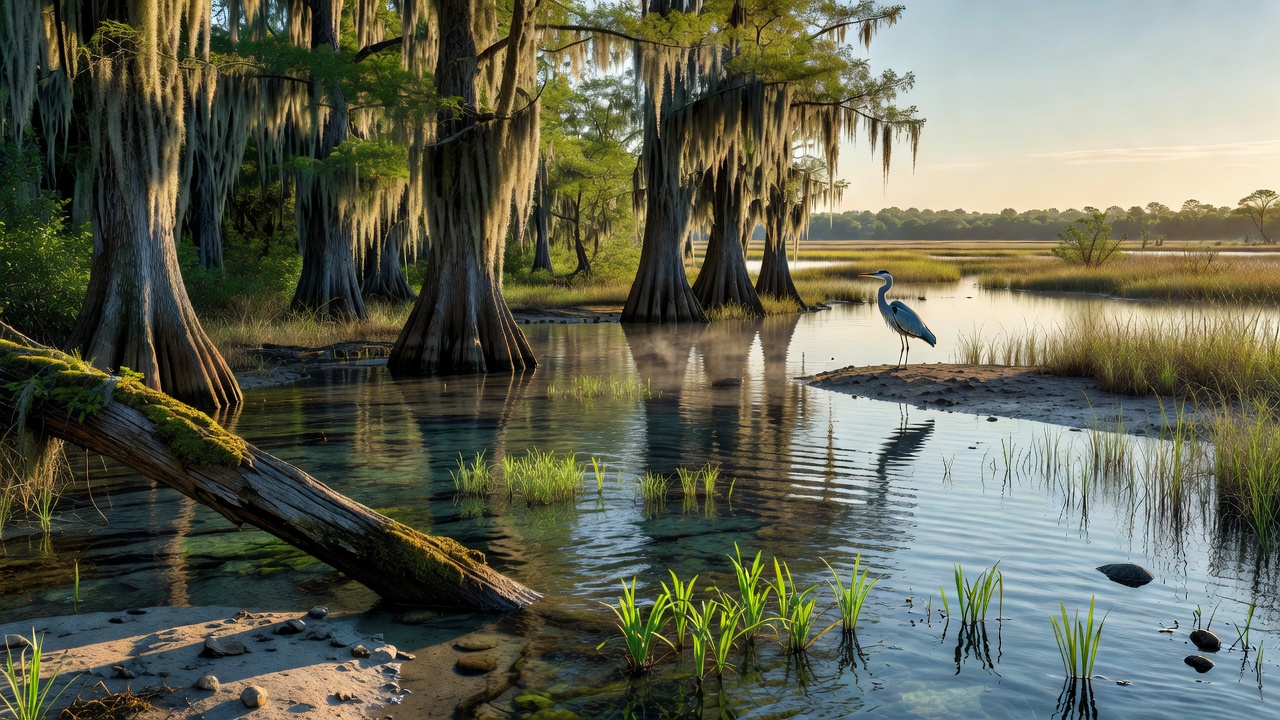
The area sits at the convergence of multiple watersheds, allowing nutrients and sediments from upstream sources to influence local vegetation growth. This positioning also moderates temperature extremes, producing a microclimate that differs from surrounding drier zones. Travelers often note the gradual shift in scenery as they approach, with sawgrass giving way to cypress stands and hardwood hammocks.
Soil profiles in Gladespan reflect centuries of organic accumulation layered over limestone bedrock. Such geology affects drainage rates and creates pockets of deeper water that persist through dry seasons, providing refugia for aquatic life when surrounding areas recede.
Ecological Importance
Biodiversity within Gladespan includes wading birds, amphibians, and reptiles that rely on the mosaic of habitats for breeding and foraging. The wetlands perform natural filtration, reducing nutrient loads before water reaches coastal estuaries. This service benefits fisheries and helps maintain water quality for downstream users.
Seasonal cycles of wet and dry periods drive plant succession and influence fire regimes that keep certain open glades from becoming overgrown. Maintaining these dynamics supports pollinators and seed dispersers that connect Gladespan to adjacent conservation lands.
Cultural and Historical Context
Early inhabitants utilized the resources of Gladespan for food, shelter, and travel routes, developing knowledge of seasonal changes that guided their movements. Later settlers recognized its value for drainage projects and agriculture, though such interventions altered natural flow patterns and prompted later restoration initiatives.
Today the area serves educational and recreational purposes, allowing visitors to observe ecological processes firsthand. Interpretive materials emphasize how Gladespan fits into larger regional planning that balances protection with compatible uses such as low-impact tourism and scientific research.