15 Jun 2026
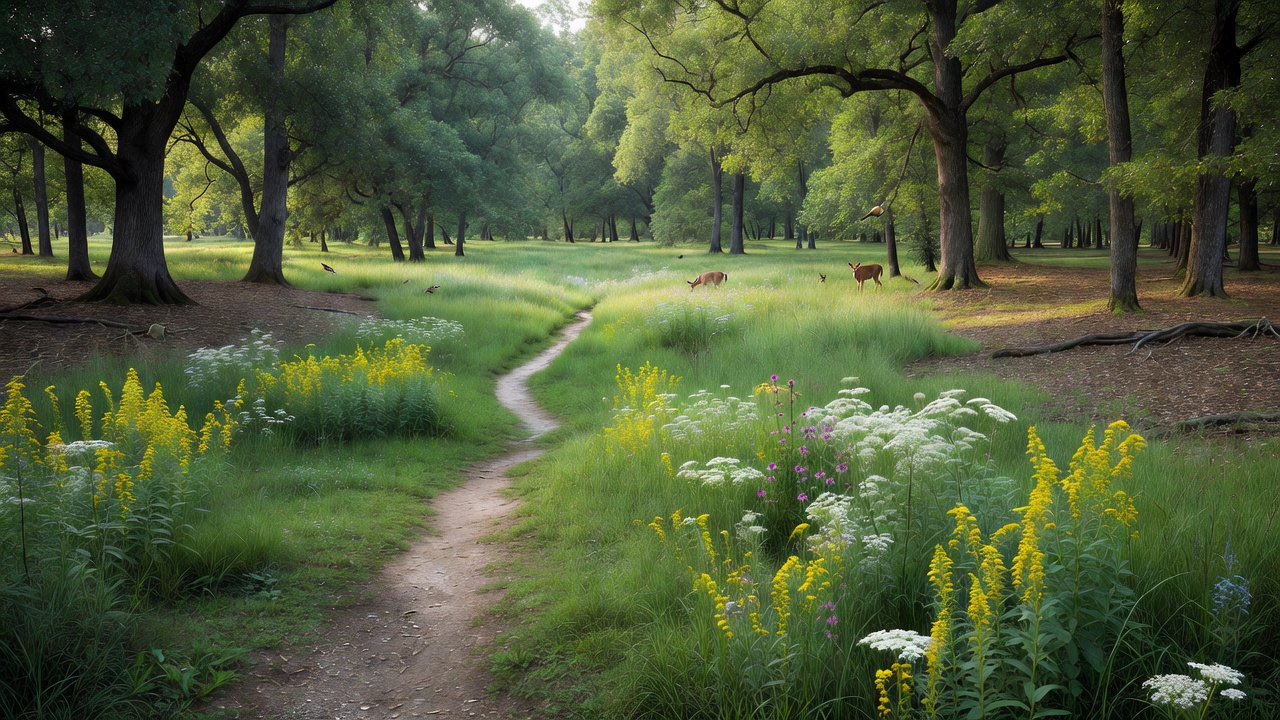
Gladespan refers to the thoughtful integration of open meadow areas within wooded landscapes to support biodiversity and recreational access. This approach emphasizes minimal intervention while allowing natural processes to shape the terrain over time. Land managers and outdoor enthusiasts value gladespan for its balance between conservation and usability.
Key Characteristics of Gladespan Areas
Effective gladespan zones feature gradual transitions from dense forest to clearings. These spaces typically range from one to five acres and maintain native grasses and wildflowers. Soil composition remains undisturbed, which helps retain moisture and support pollinators. Proper gladespan design avoids straight edges, favoring irregular boundaries that blend with surrounding trees. This layout reduces wind exposure and provides sheltered microclimates for wildlife. Visitors often notice improved trail conditions and opportunities for quiet observation of birds and small mammals.
Benefits for Land Stewardship
Implementing gladespan principles supports long-term ecological health. Open areas increase sunlight penetration, encouraging understory plant diversity without requiring chemical treatments. Water runoff decreases because root systems in the glades stabilize the ground. Recreational users gain safer pathways and scenic viewpoints while the overall habitat quality improves. Communities that adopt these methods report higher visitor satisfaction and lower maintenance costs compared to heavily manicured parks.
Practical Steps for Application
Begin by surveying existing clearings and identifying native species already present. Remove only invasive plants and avoid adding foreign soil or structures. Monitor the site seasonally to track changes in vegetation and animal activity. Simple signage can guide visitors to stay on designated paths, protecting sensitive zones. Over several years, the area develops a resilient character that requires little ongoing input. This method suits private landowners, public parks, and conservation groups seeking sustainable outcomes.